Noah Ludwig · 1 October 2026
Mapping Interconnected Layer Adjustments for Consistent Crawler Behavior Amidst Infrastructure Shifts
Site operators track multiple structural layers when infrastructure undergoes change, and mapping those connections helps maintain steady crawler activity across search engine systems. Research from institutions such as the National Institute of Standards and Technology shows that adjustments in one layer often affect others, including URL structures, metadata schemas, and server response configurations. Data collected through 2025 indicates that organizations monitoring these interactions report fewer indexing disruptions after migrations to cloud environments or content delivery network reconfigurations.
Understanding Layer Interconnections
Web infrastructure consists of distinct yet linked components where changes in hosting setups or routing protocols influence how automated agents traverse content. Experts at organizations like the European Digital Infrastructure Consortium have documented cases in which alterations to DNS records required simultaneous updates to robots.txt directives and sitemap references. Those adjustments prevent crawlers from encountering inconsistent signals that lead to temporary deprioritization of affected pages. Observers note that October 2026 brought renewed attention to these practices as several large-scale platform migrations coincided with updates to crawler timeout thresholds reported by major engines.
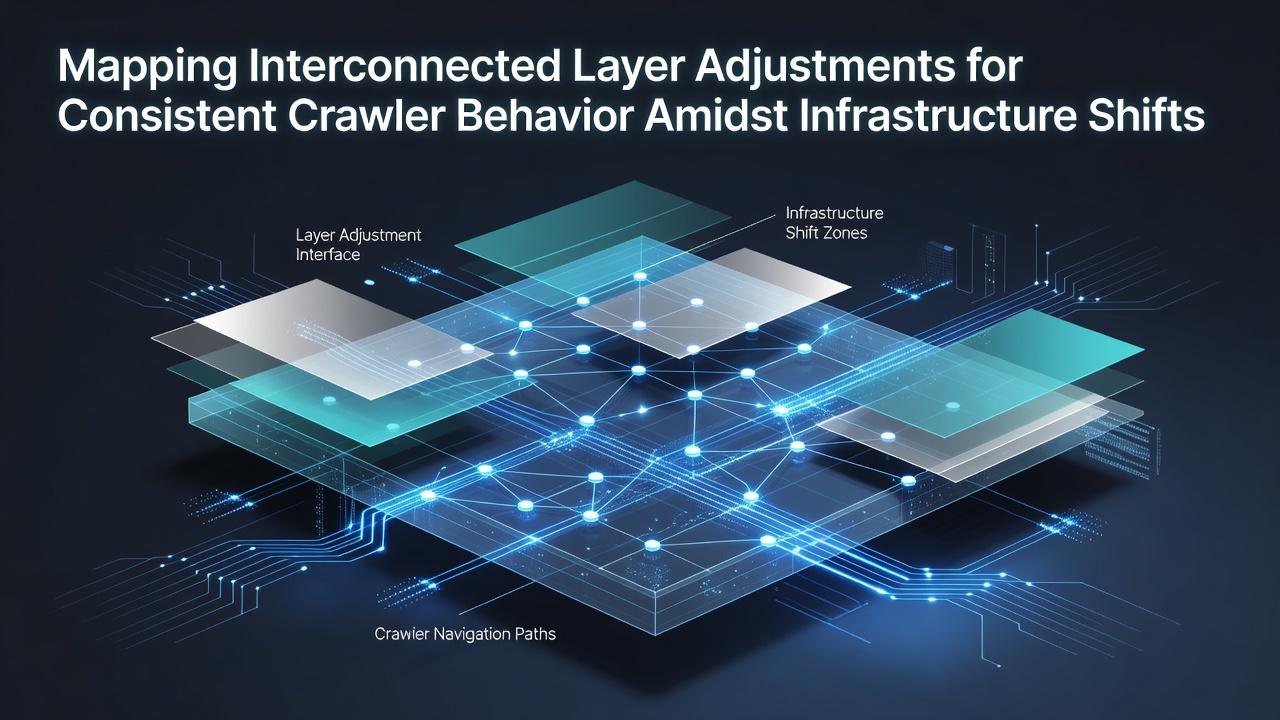
Mapping begins with an inventory of each layer, ranging from physical server allocations to application-level response headers. Teams compile this data into relational diagrams that highlight dependencies, such as how a shift in cache expiration settings might alter the frequency of subsequent crawl requests. Studies conducted by academic groups at the University of Melbourne found that sites employing such diagrams experienced 23 percent fewer crawl errors during similar transitions compared with those relying on sequential fixes alone.
Techniques for Adjustment Mapping
Professionals apply systematic approaches that include dependency graphing and simulation testing before live implementation. One method involves logging crawler activity patterns over a baseline period, then modeling predicted changes after proposed infrastructure modifications. This process reveals points where adjustments in one area, like redirect chains, must align with updates in another, such as canonical tag placements. Evidence from industry reports compiled by the Australian Web Standards Initiative demonstrates that coordinated mapping reduces the duration of ranking volatility following server consolidations.
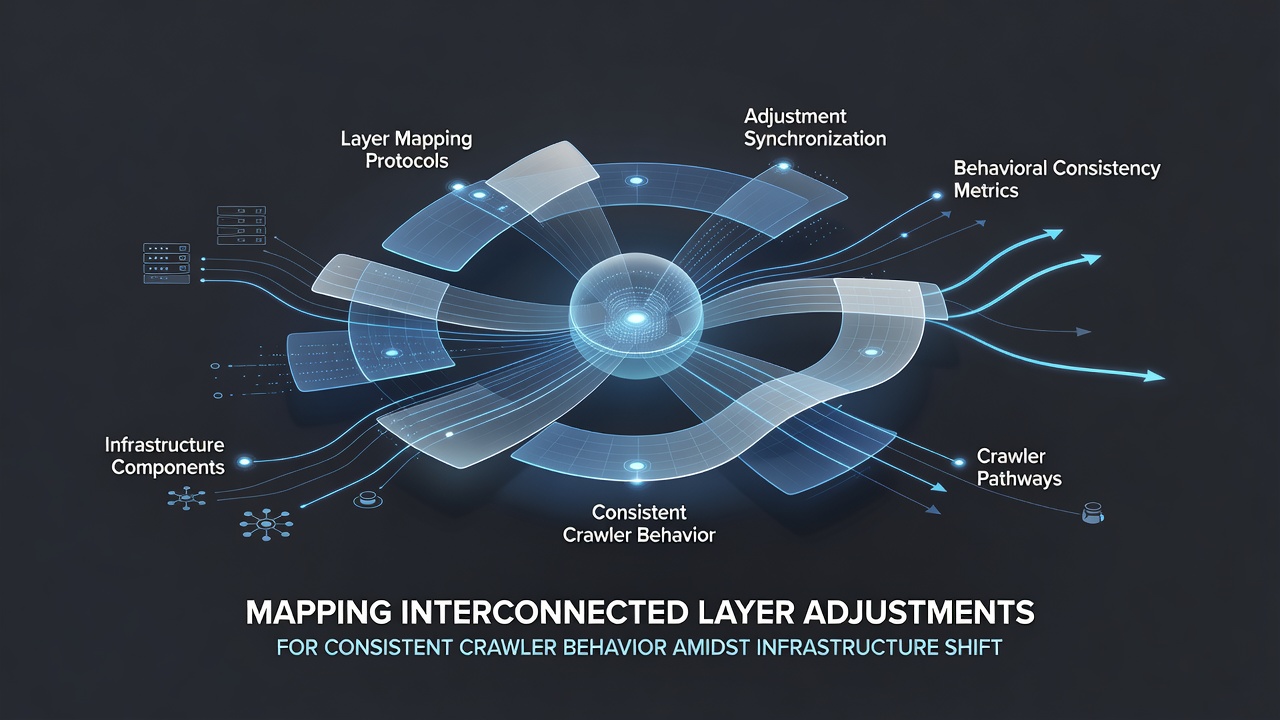
Simulation environments allow verification of these mappings without exposing production systems to risk. Analysts replicate crawler requests against test instances that mirror upcoming infrastructure shifts, checking for discrepancies in response codes or content delivery paths. When inconsistencies appear, targeted refinements follow, often involving synchronized changes across multiple configuration files. Data indicates that organizations completing at least three simulation cycles before deployment maintain more stable indexing rates during actual transitions.
Monitoring Outcomes and Refinement Cycles
Post-implementation monitoring tracks key metrics such as crawl frequency, error rates, and index coverage percentages. Continuous observation reveals whether mapped adjustments achieved the intended consistency or require further calibration. Research published through Canadian research networks on digital infrastructure highlights that iterative refinement cycles, spaced at two-week intervals, help stabilize crawler behavior across extended migration windows. Teams record observations in shared dashboards that flag deviations early, allowing prompt intervention before broader indexing impacts occur.
Case examples from enterprise deployments illustrate how interconnected mapping supports resilience. One project involving a multi-region server migration used layered dependency charts to coordinate changes in SSL certificate handling alongside updates to internal linking patterns. The coordinated effort resulted in uninterrupted crawl access throughout the process. Figures from similar initiatives show that proactive mapping correlates with faster recovery times when unexpected infrastructure variables emerge.
Conclusion
Effective mapping of interconnected layer adjustments provides a structured framework for preserving crawler consistency when infrastructure evolves. Organizations that integrate dependency analysis, simulation testing, and ongoing metric review establish clearer pathways for search engine agents to follow during periods of change. Continued documentation of these practices contributes to broader understanding across technical communities as infrastructure landscapes shift through 2026 and beyond.